
Menovelle Weight Gain Supplement, Complete Step-by-Step Guide
Introduction
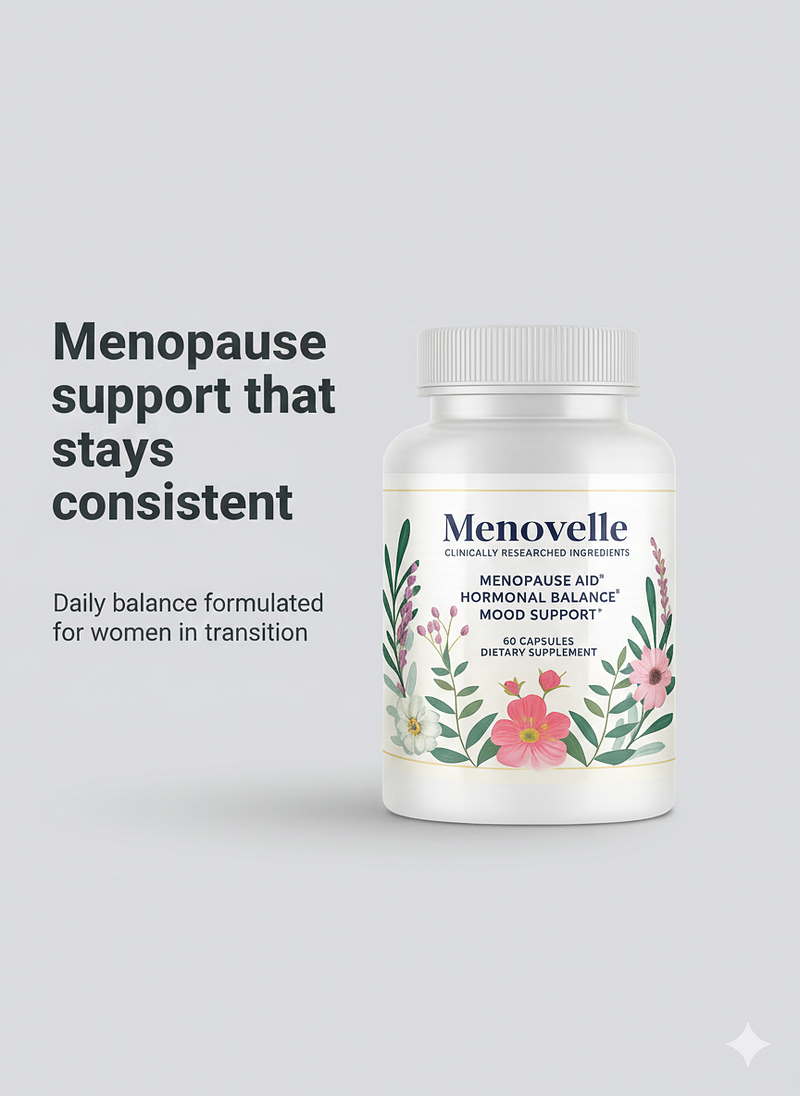
Menovelle Weight Gain Supplement is promoted as a supplement aimed at helping people who struggle with weight loss or low body weight during or after menopause. This guide explains what the product claims to do, what the realistic benefits may be, and how to use it step by step. The tone is practical and direct. Medical caution is emphasized where appropriate.
Important note about safety and evidence
Any supplement that claims to alter hormones, genes, or metabolic systems must be treated with caution. Clinical evidence for many over-the-counter supplements is limited or absent. Before starting any supplement, consult a licensed healthcare professional, especially when there are existing medical conditions, prescription medicines, pregnancy, or breastfeeding. Follow product labeling for dosage and discontinue use if adverse reactions occur.
Who this guide is for
This guide is for adults considering Menovelle as part of a plan to address low body weight or difficulty gaining healthy weight during or after menopause. This guide assumes the reader wants safe, stepwise instructions and clear information about benefits and risks.
Section 1. What Menovelle claims to do, in plain language
- Marketed goal, stated simply, is to support weight gain or healthy weight restoration by addressing symptoms that can make gaining weight difficult during or after menopause, such as low appetite, hormonal shifts, and low energy.
- Often promoted as a natural formula, sometimes naming adaptogens, botanical extracts, vitamins, or mushroom blends.
- Marketing may present fast or dramatic results, those claims are not a substitute for medical advice.
Section 2. Potential benefits, stated realistically
- Support for appetite: Some ingredients found in supplements can support mild increases in appetite, which helps intake rise for people who struggle to eat enough calories.
- Energy and vitality: Vitamins and some botanical extracts can offer modest improvements in perceived energy, which may help a person eat and be active enough to gain muscle mass when combined with resistance training.
- Nutrient support: If the product contains vitamins and minerals that the user lacks, correcting deficiencies can improve digestion, mood, and overall metabolic function, indirectly aiding healthy weight gain.
- Placebo and behavioral effects: Taking a supplement often prompts people to pay more attention to diet and routines, which itself can improve outcomes.
Section 3. What the supplement cannot promise
- Guaranteed weight gain for everyone, or rapid weight gain without dietary and lifestyle changes.
- Replacement for medical care in the case of underlying health problems, such as thyroid disease, digestive disorders, or cancer related weight loss.
- Rewriting genes or acting as a hormonal therapy.
Section 4. Step-by-step plan to use Menovelle as part of a safe weight gain strategy
Step 1, baseline check
- Confirm current health status. Obtain a recent basic medical checkup if possible, including thyroid function, complete blood count, metabolic panel, and any tests recommended by the clinician. This rules out medical causes of low weight.
- Record baseline measurements. Weigh yourself, take waist and hip measurements, and photograph progress points for objective tracking. Log current daily calorie intake for three days to estimate baseline intake.
Step 2, set realistic goals
- Set a clear, measurable target. Example: gain 0.5 to 1.0 kilogram per week until reaching a target weight. Slow, steady gain reduces fat gain and supports muscle development.
- Create a simple timeline and checkpoints. Reassess every two weeks, adjust calories and activity if weight is not changing.
Step 3, optimize diet first
- Increase calorie intake with nutrient-dense foods, not empty calories. Prioritize whole foods such as nuts, seeds, dairy or dairy alternatives, lean proteins, starchy vegetables, whole grains, and healthy oils.
- Use frequent meals and snacks. Aim for three meals plus two to three calorie-dense snacks daily.
- Add easy liquid calories when appetite is low: smoothies with nut butter, milk or milk alternative, protein powder, and fruit. This is practical and controllable.
Step 4, resistance training and movement
- Incorporate strength training two to four times per week. Prioritize compound movements that recruit large muscle groups, such as squats, presses, and rows. Strength training promotes muscle gain rather than only fat gain.
- Keep aerobic exercise moderate. Excessive cardio burns calories the user needs to gain weight. Shorter, focused cardio sessions are preferable.
Step 5, introduce Menovelle safely
- Confirm no contraindications with current medications or conditions via a medical professional.
- Start with the lowest recommended dose from the product label for the first week to assess tolerance. If label dosing is unclear, follow the practitioner’s guidance.
- Keep a daily journal of dosage, timing, appetite, sleep, mood, and any side effects for the first four weeks.
- Maintain consistent timing. Take the supplement at roughly the same time each day, ideally with a meal to reduce stomach upset and to pair it with energy intake.
Step 6, track progress and side effects
- Weigh weekly under consistent conditions and log results. Compare to baseline measurements every two weeks.
- Monitor subjective changes in appetite, energy, sleep quality, digestion, and mood.
- Stop use and contact a clinician if there are signs of allergic reaction, severe GI distress, unusual heart palpitations, dizziness, or other concerning symptoms.
Step 7, combine with nutrition adjustments based on response
- If weight increases too slowly, add an extra 300 to 500 calories per day using nutrient-dense options like smoothies, nut butters, or whole-fat dairy.
- If water retention or bloating occurs, reduce sodium and re-evaluate. Continue to discuss with a clinician.

Step 8, long term plan
- Evaluate the need to continue the supplement after 8 to 12 weeks. If the product helped appetite and the user gained healthy weight, decide whether the supplement provides ongoing value or if dietary changes are sufficient.
- Aim to maintain gained weight with a stable calorie intake and resistance training program, rather than indefinite supplement use.
Section 5. Safety checklist, quick reference
- Confirm product ingredient list before taking, check for allergens and interactions.
- Consult a healthcare provider if on prescription drugs, especially blood thinners, hormone therapy, or antidepressants.
- Avoid combining multiple unverified supplements without guidance.
- Discontinue use if severe adverse effects occur, and seek medical care.
Section 6. How to read ingredient labels and spot red flags
- Look for a clear list of active ingredients with amounts. Avoid products that only list proprietary blends without amounts.
- Watch for stimulants or high doses of vitamins that can be harmful long term.
- Hidden ownership, multiple domain names, aggressive multi-bottle discounts, or unavailable manufacturer information are business red flags. Treat such marketing tactics with caution.
Section 7. Suggested daily routine example, practical and direct
- Morning: Balanced breakfast with protein, healthy fat, and carbohydrate. If appetite is low, start with a calorie-rich smoothie. Take Menovelle with this meal, following label directions.
- Mid-morning: Nut butter on fruit or whole-grain toast, or a small calorie-dense bar.
- Lunch: Protein, grain, and vegetables, plus a side such as full-fat yogurt or avocado.
- Afternoon: Strength training session two to four times weekly, post-workout protein snack.
- Evening: Main meal with a starchy side, and a dessert-like high-calorie option if needed such as yogurt with granola.
- Night: Optional small snack before bed, such as cottage cheese or a milk-based drink, if additional calories are needed.
Section 8. Frequently asked items, short answers
- Duration to expect results: Expect small changes in appetite within 1 to 3 weeks, meaningful weight trends within 4 to 12 weeks, variable by person.
- Interactions: Herbs and botanical blends can interact with medications. Check with a clinician.
- Pregnancy and breastfeeding: Avoid unless cleared by a health professional.